The Albertine Rift, forming the western branch of the Great Rift Valley, is one of the most important conservation areas in the world. Its deep valleys and high mountains have created isolated pockets of forest that have evolved independently for millions of years. This isolation has resulted in a high number of endemic species—creatures that are found here and nowhere else on the planet. For anyone interested in the finer details of the natural world, this region offers a masterclass in evolutionary biology.
The Primate Capital of the World
With over a dozen species of primates inhabiting its forests, the region is a global leader in primatology. Beyond the famous mountain gorillas, the Kibale Forest stands out as a critical habitat for chimpanzees. These highly intelligent social animals provide a fascinating glimpse into our own evolutionary past. Observing their complex social structures, tool use, and vocalizations is a highlight of many Uganda Safari Tours. The success of primate conservation in this area is a global benchmark, proving that with enough political will and community support, even the most vulnerable species can be brought back from the brink of extinction.
An Ornithological Paradise
For bird enthusiasts, the variety of habitats—ranging from papyrus swamps to montane forests—offers unparalleled opportunities. With over 1,000 recorded bird species, the region accounts for a significant portion of the continent’s avian diversity. The elusive Shoebill stork, often described as a “living fossil” due to its prehistoric appearance, is the crown jewel of the wetlands. Finding this bird in the vast Mabamba swamp requires patience and local expertise, highlighting the importance of professional guiding in understanding these complex environments.
The Savannas of the West
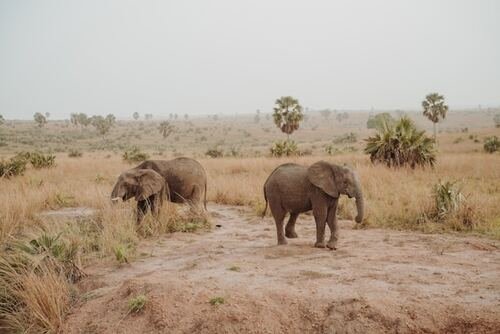
While the forests often take center stage, the western savannahs offer a classic African experience with a unique twist. Parks like Lake Mburo provide a haven for impalas, zebras, and elands, set against a backdrop of rolling hills and quiet lakes. The absence of large numbers of elephants in certain areas has allowed the acacia woodlands to flourish, creating a “leopard-friendly” environment. This subtle variation in landscape ensures that every day spent in the field offers a new set of challenges and rewards for the observer.
Evolutionary Adaptation in a Changing Climate
The biodiversity of the Albertine Rift is not static; it is a dynamic testament to adaptation. The species here have developed unique survival strategies to cope with the steep altitudinal gradients. From birds with specialized beak shapes for specific highland flowers to primates that have adapted their diets to include the bamboo shoots of the volcanic slopes, the rift is a living laboratory. Understanding these adaptations is crucial for conservationists as they work to predict how wildlife will respond to global environmental changes. By protecting these varied altitudes, we provide species with the “room to move” as temperatures and rainfall patterns shift.
The Symbiosis of Science and Tourism
One of the most powerful outcomes of sustainable travel in this region is the funding it provides for ongoing scientific research. Many of the trackers and guides are not just experts in finding wildlife; they are active contributors to data collection, monitoring the health and movement of gorilla families and chimpanzee troops. This synergy ensures that management decisions are based on the latest biological evidence. For the traveler, this adds a layer of depth to the experience—knowing that their presence directly supports the salaries of the researchers and rangers who spend their lives decoding the mysteries of the rift.
The Importance of Low-Impact Exploration
As the world becomes more interconnected, the pressure on these pristine environments increases. The philosophy of “take nothing but pictures, leave nothing but footprints” has never been more relevant. Sustainable exploration focuses on small-group sizes, the use of eco-friendly lodges, and a deep respect for the natural rhythms of the bush. By choosing to visit these regions, travelers are not just spectators; they are active participants in a global effort to value nature in its wild state. It is an investment in the planet’s biological heritage and a commitment to the idea that some places should remain wild and untamed forever. The ultimate goal is to foster a global community that views these high-biodiversity areas as irreplaceable treasures.